
LC to SC Fiber Patch Cable - Single Mode OS2 9/125μm Duplex
Couldn't load pickup availability
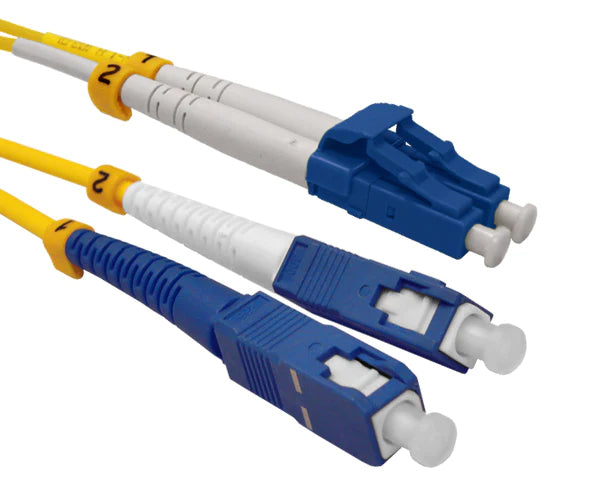
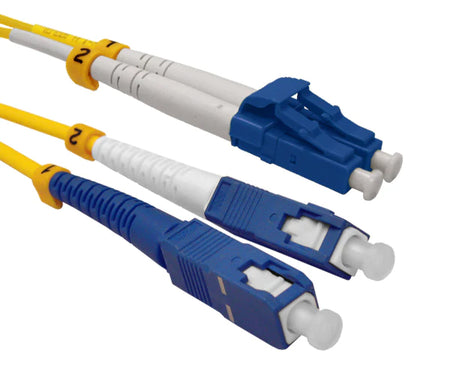
LC to SC Single Mode Fiber Patch Cable - Duplex
High-performance single-mode fiber optic patch cable connecting modern and versatile equipment with LC/UPC connectors on one end and SC/UPC connectors on the other. The compact LC snap-in connector (Lucent Connector) is ideal for high-density installations and SFP/XFP transceiver connections, while the SC push-pull connector (Subscriber/Standard Connector) is the industry standard for FTTH applications, GBIC modules, and telecom/datacom networks. Perfect for bridging different equipment types.
Key Features
- High-speed single-mode transmission for long-distance, high-bandwidth applications
- UPC polish on both ends - ultra-flat ferrule surface maximizes signal transmission
- Dual connector design - compact LC for modern devices, standard SC for versatile connectivity
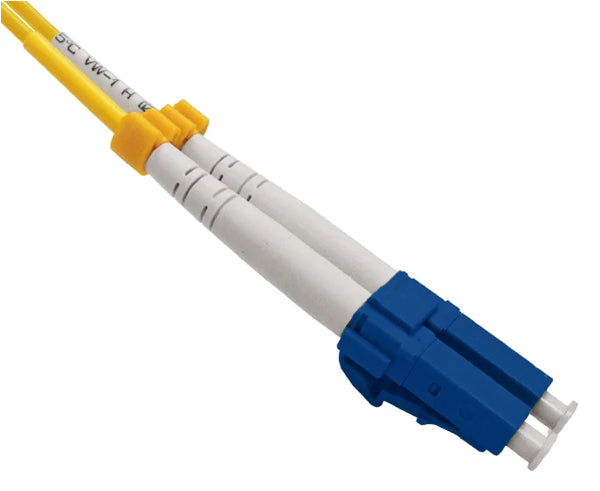
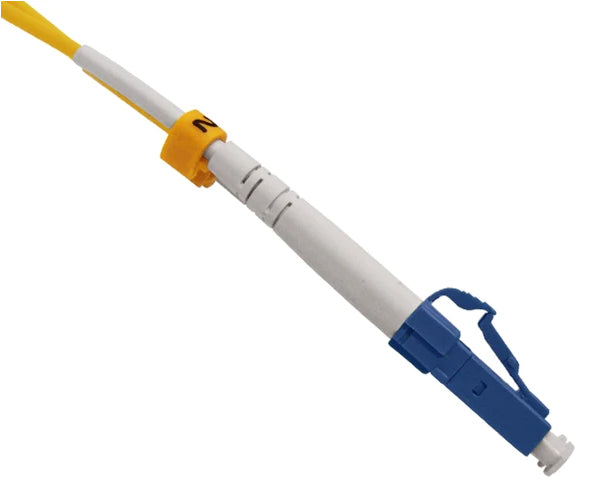
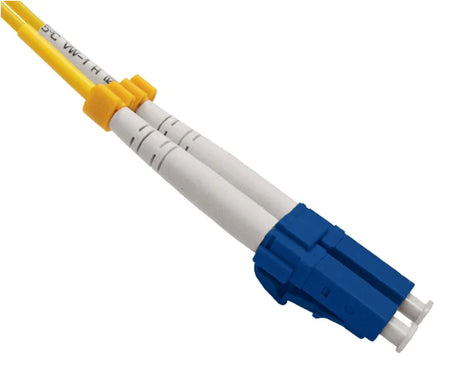
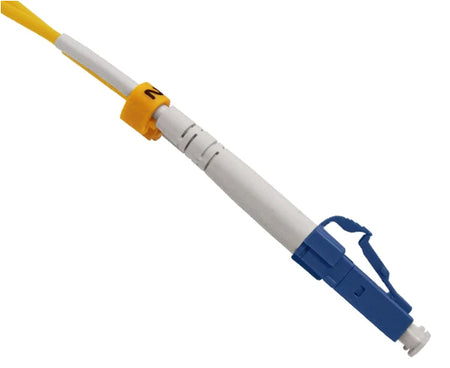
- LC snap-in connector with 1.25mm form factor for high-density installations
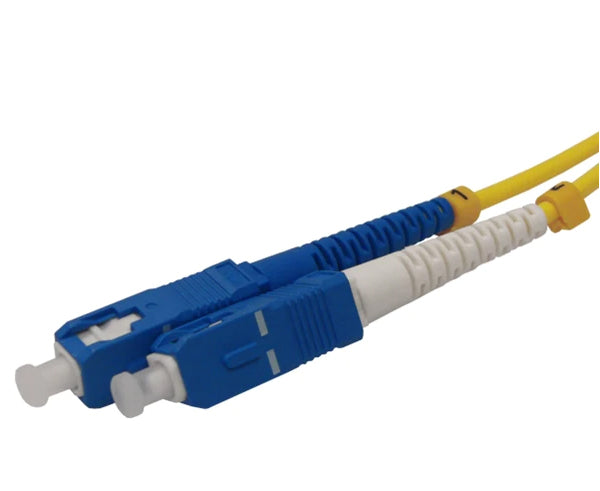
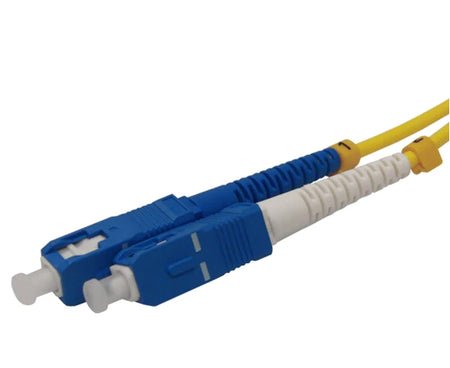
- SC push-pull connector with 2.5mm ferrule for reliable, industry-standard connections
- Low insertion loss - ≤0.15 dB typical for optimal performance
- Tool-free installation on both ends - snap-in LC and push-pull SC
- Plug-and-play compatible with SFP modules, XFP transceivers, and GBIC modules
- FTTH ready - SC connector is the standard for fiber to the home applications
- UL Listed in both Canada and the US
- RoHS compliant for environmental safety
Technical Specifications
- Fiber Mode: Single Mode (OS2)
- Fiber Type: 9/125μm
- Connector Type: LC/UPC to SC/UPC
- Connector Style: Duplex configuration
- Polish Type: UPC (Ultra Physical Contact) on both ends
- LC Ferrule Diameter: 1.25 mm
- SC Ferrule Diameter: 2.5 mm
- Typical Insertion Loss: ≤ 0.15 dB
- Maximum Insertion Loss: ≤ 0.30 dB
- Maximum Return Loss: ≥ 50 dB
- Certifications: UL Listed (US & Canada), RoHS Compliant
Applications
Ideal for connecting SFP/XFP modules to SC-equipped switches, FTTH (fiber to the home) deployments, enterprise networking, telecommunications infrastructure, data center interconnects, GBIC transceiver connections, datacom and telecom networks, and any application requiring connectivity between modern LC ports and standard SC connections.
Why LC to SC?
This versatile hybrid cable bridges the gap between compact, high-density LC equipment (such as modern switches with SFP ports) and the widely deployed SC infrastructure found in FTTH networks, legacy equipment, and GBIC-based systems, making it an essential cable for diverse networking environments.